 1591539058644.jpg
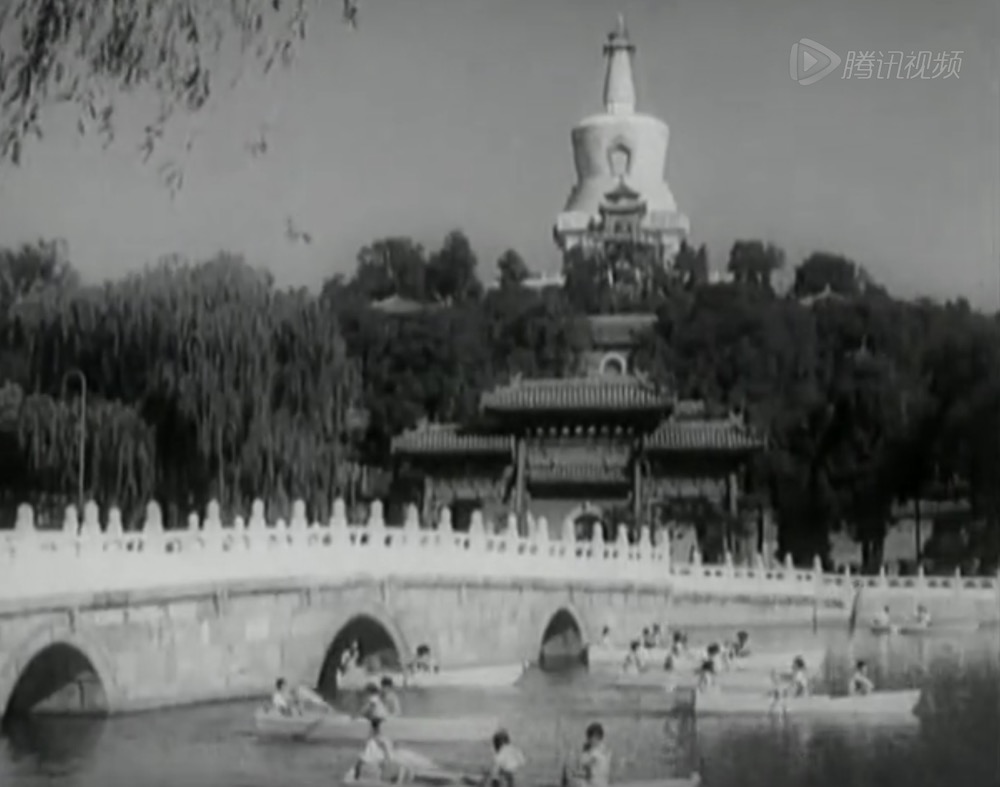
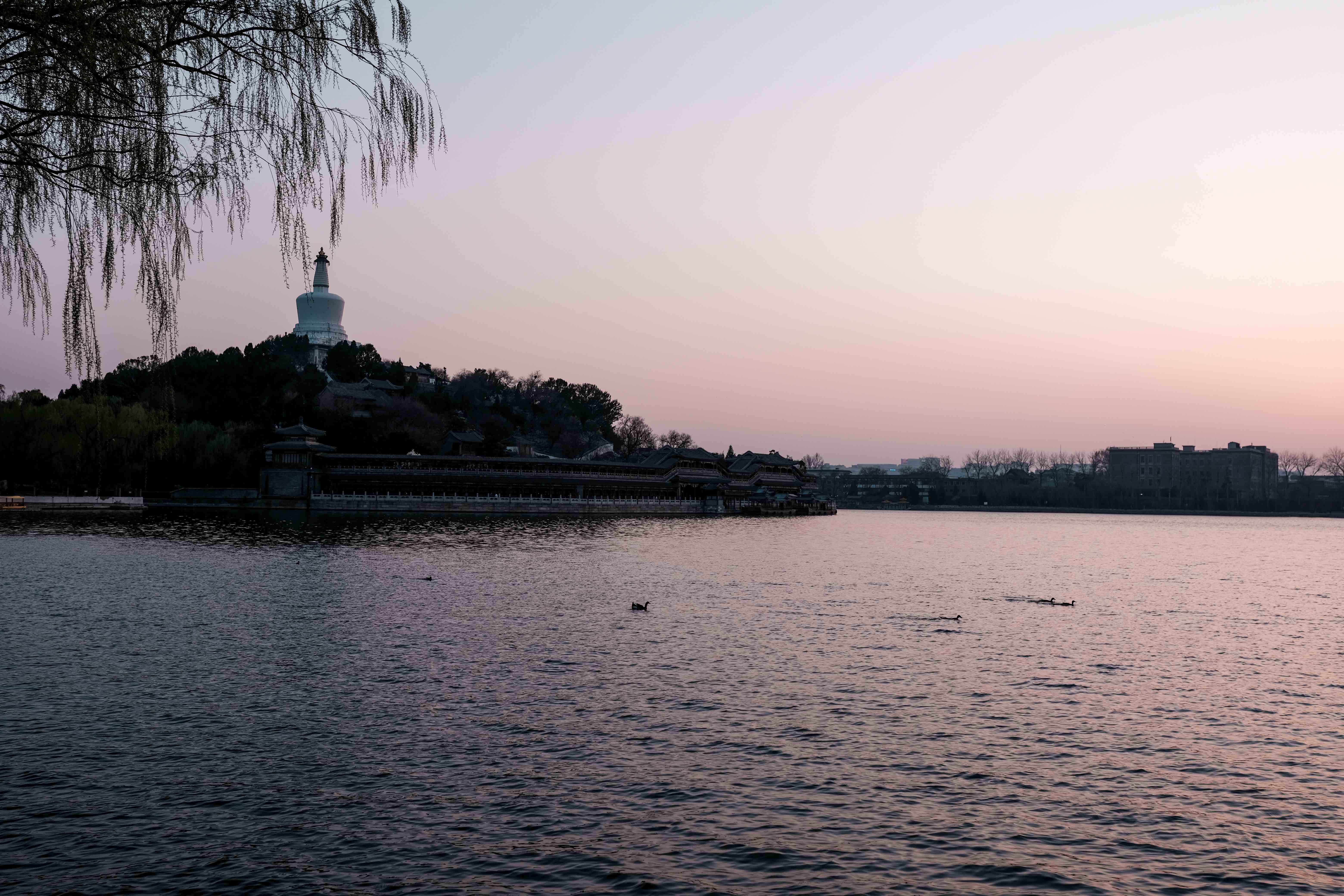
When I first learned “Let’s Swing the Oars” as a child, I only found the melody catchy; as I grew older, humming it occasionally, a few simple lines revealed boundless imagery; later, while studying in the imperial capital, visiting Beihai Park, I saw precisely “the beautiful White Pagoda reflected on the lake, surrounded by green trees and red walls”—time flies, yet what remains unchanged is the vitality of the written word.
The lyrics were written by Mr. Qiao Yu, whose hand also produced many other well-known masterpieces: “My Motherland,” “Unforgettable Tonight,” and “Love My China.” The lyrics are divided into three stanzas, progressing layer by layer. The first stanza describes the scene of rowing; in just a few lines, beginning and end are connected, moving from near to far, sketching out a fourfold panorama. The second stanza expresses joyful emotions—childlike exuberance, a light heart, depicting full-bodied childish delight. The third stanza then elevates further, asking how such beautiful scenery, such a life, such an era came to be? Then it stops abruptly—words exhausted, yet meaning infinite.
So what kind of an era was that?
After some research, I learned that “Let’s Swing the Oars” is the theme song of the film Flowers of the Motherland, filmed in 1955. What kind of an era was that? After enduring prolonged imperial invasion, warlord conflicts, and the arduous War of Resistance Against Japan, New China was born. Bandits were eliminated, land was redistributed, the economy was stabilized, the First Five-Year Plan was vigorously launched, the Korean War forced the U.S. to a halt—the curtain of a new era slowly rose. At that time, various political campaigns had not yet begun; the people were stable and hopeful, the air was filled with high spirits everywhere, daring to make the sun and moon shine in a new sky.
The film was produced in such a macro environment. The plot is simple and brisk, telling the small journey of Yang Yongli and Jiang Lin—who were outside the collective in Class 5-A—and their transformation to joining the Young Pioneers after a series of experiences. The story uses the classic narrative structure of beginning, development, turn, and conclusion, starting at Beihai Park and ending at Beihai Park, with scenes and conflicts arranged clearly. Yang Yongli is clever and bright; in her mother’s words, she can do well in exams without much studying, but she is quite willful and somewhat selfish. Jiang Lin is lively and impulsive, climbing onto roofs to catch birds, going outside the city to fish—he just doesn’t like studying. There is also squadron leader Liang Huiming, who though still prone to crying, already shows early organizational talent. The film begins by laying out Yang Yongli and Jiang Lin’s family environments and distinct personalities through various small incidents, and consequently they are not accepted by the group, excluded from various activities. Liang Huiming, out of a sense of responsibility as leader, feels something needs to be done, yet doesn’t put her heart into it and can’t find the right approach. But at every critical juncture, there is always homeroom teacher Teacher Feng’s guidance and encouragement to push things forward. Through tutoring lessons and sharing housework, interactions between the collective and Yang/Jiang are enhanced, integrating them into the collective, and also developing Liang’s coordinating abilities.
Beautiful parks, low hutongs, winding moats, towering city gates, forests of chimneys, singing with vibrato, Mandarin with a slight northern dialect—all bring us back to 1950s Beijing. Adult males seem to appear relatively rarely in the film, which also seems to highlight women’s status in New China. Speaking of the plot itself, it easily makes one think of all trades and professions united to build socialism, with the Party as that homeroom teacher, guiding and arbitrating at critical moments. The collectivism and ideological guidance in the film may seem slightly awkward now, but were they not the main theme of that era, and the driving force behind newborn China’s rapid development?
The human nature suppressed by collectivism, over time, will inevitably backlash against the system. Individualism gushing unchecked, in the end, cannot escape wealth polarization and extreme involution. Idealistic chicken soup must be drunk, pragmatic stimuli must also be given equal weight, but for human nature, walking a tightrope to maintain balance is too exhausting—constant oscillation between the two poles is the norm.
 DSCF0094.jpg